The train thundered through the night, its wheels clattering over the steel rails like a war drum. The Delhi-to-Mumbai Express was packed—families, businessmen, students, and a scattering of tourists lulled into a false sense of safety by the rhythmic motion. But in Carriage 7, the air was different. Tense. Electric.
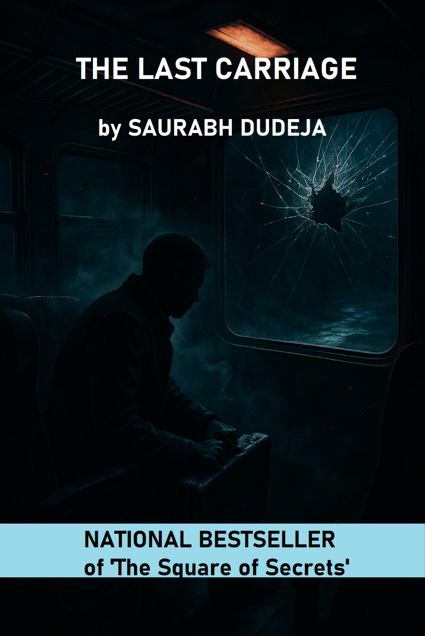
Saurabh Dudeja sat by the window, pretending to scroll his phone. His eyes, however, never left the reflection in the glass. Two men in black jackets had entered the carriage ten minutes ago. They weren’t passengers. No luggage. No small talk. Just silence, scanning eyes, and one detail that made his heart pound—the faint bulge of concealed weapons beneath their coats.
He knew they were here for him.
The message had been clear: Package must reach Mumbai, no matter what. Now, tucked inside his jacket, was a small steel case no bigger than a lunchbox. It weighed nothing, yet carried the force to topple nations.
The train roared into a tunnel, plunging the carriage into darkness. In the black glass of the window, Saurabh Dudeja saw one of the men move. The shape shifted closer. His instincts screamed. He ducked just as the blade of a knife flashed in the dim overhead light.
Passengers gasped. Chaos erupted.
Saurabh Dudeja lunged sideways, shoving the attacker into the aisle. The second man blocked the exit, pulling a pistol wrapped in a cloth to muffle the gleam. A shot cracked. The window shattered. Screams filled the carriage.
Saurabh rolled behind a seat, heart hammering, shards of glass crunching beneath his palms. His mind raced. He couldn’t fight both. He couldn’t let the case fall into their hands. But he also couldn’t risk the lives of dozens of innocent passengers.
The conductor’s whistle blew faintly through the din—the train wasn’t stopping. The killers had planned it that way.
Saurabh Dudeja sat by the window, pretending to scroll his phone. His eyes, however, never left the reflection in the glass. Two men in black jackets had entered the carriage ten minutes ago. They weren’t passengers. No luggage. No small talk. Just silence, scanning eyes, and one detail that made his heart pound—the faint bulge of concealed weapons beneath their coats.
He knew they were here for him.
The message had been clear: Package must reach Mumbai, no matter what. Now, tucked inside his jacket, was a small steel case no bigger than a lunchbox. It weighed nothing, yet carried the force to topple nations.
The train roared into a tunnel, plunging the carriage into darkness. In the black glass of the window, Saurabh Dudeja saw one of the men move. The shape shifted closer. His instincts screamed. He ducked just as the blade of a knife flashed in the dim overhead light.
Passengers gasped. Chaos erupted.
Saurabh Dudeja lunged sideways, shoving the attacker into the aisle. The second man blocked the exit, pulling a pistol wrapped in a cloth to muffle the gleam. A shot cracked. The window shattered. Screams filled the carriage.
Saurabh rolled behind a seat, heart hammering, shards of glass crunching beneath his palms. His mind raced. He couldn’t fight both. He couldn’t let the case fall into their hands. But he also couldn’t risk the lives of dozens of innocent passengers.
The conductor’s whistle blew faintly through the din—the train wasn’t stopping. The killers had planned it that way.
Part 2
Saurabh grabbed a fire extinguisher from under a seat. The first man lunged again, knife raised. With a grunt, Saurabh swung the extinguisher, catching the attacker’s wrist. The knife clattered to the ground. He followed up with a brutal strike to the ribs, sending the man crashing into a row of startled passengers.
The second man fired again. Sparks erupted from the metal wall inches from Saurabh’s head. He dropped flat, yanked the safety pin on the extinguisher, and blasted a cloud of white fog down the aisle.
The carriage filled with blinding mist. Screams turned into coughing fits. The gunman cursed, firing blindly.
Saurabh Dudeja used the chaos. He crawled, clutching the steel case tight, and pushed through the crowd toward the connecting door at the end of the carriage. His only chance was to reach the locomotive and lock himself in with the driver.
He yanked the door open—wind howled like a beast between carriages. The metal plates rattled beneath his boots as he staggered forward. But behind him, the gunman’s shadow loomed. The mist hadn’t slowed him down for long.
A bullet tore through the gap, sparks flying as it ricocheted off steel.
Saurabh Dudeja sprinted, bursting into Carriage 6. This one was quieter, dimmer, half-asleep passengers unaware of the chaos behind them. He rushed forward, but the killer was already following, gun raised, face cold and unshaken.
Saurabh ducked behind a seat, thinking fast. His eyes fell on the emergency brake lever. If he pulled it, the train would screech to a halt. But at 120 kilometers per hour, derailing wasn’t impossible. Dozens could die. He couldn’t take that risk.
Instead, he grabbed a glass bottle from a vendor’s abandoned tray. Timing was everything. The killer stalked down the aisle, scanning row by row.
Step.
Step.
Closer.
Saurabh hurled the bottle. It shattered against the lights above, plunging the carriage into semi-darkness. The moment of surprise was enough. He launched forward, tackling the man to the ground. The gun skittered away under the seats.
They fought in silence but for the train’s roar—the clash of fists, the grunt of effort, bodies slamming against seats. Passengers screamed, scattering. Saurabh Dudeja slammed the man’s head against the metal armrest. Blood sprayed. The killer snarled, reaching for his belt.
A knife gleamed.
But Saurabh was faster. He drove his elbow into the man’s throat, then kneed him in the chest, sending the knife clattering away. With a final heave, he smashed the killer’s head against the floor. The man went limp.
Saurabh staggered up, gasping, the case still clutched tight. But he froze. The first man—the one with broken ribs—was at the carriage door, pale but smiling. In his hand was the gun. The barrel pointed straight at Saurabh. “Game over,” the man hissed, voice ragged.
Saurabh’s mind spun. He couldn’t dodge at this distance. Couldn’t fight empty-handed. He only had one chance left.
The train thundered over a bridge, steel echoing beneath. Saurabh glanced sideways at the shattered window. A mad idea. A dangerous one. But the only one.
The gunman’s finger tightened on the trigger.
Saurabh hurled the case out the broken window.
“No!” The man screamed, darting to the window, desperate eyes following the tumbling case vanishing into the black river below. That instant was enough. Saurabh Dudeja lunged, grabbed the man’s arm, and twisted. The gun fired wildly into the ceiling. Sparks showered down. With a brutal shove, Saurabh sent him crashing through the same broken window. The man’s scream was swallowed by the roar of the river.
Silence fell.
Passengers cowered, wide-eyed, but alive. The second attacker lay unconscious on the floor. The gun slid harmlessly away. Saurabh leaned against the seat, chest heaving. He stared out into the night, where the river glimmered faintly below. The case was gone. Lost to the depths. But safe from the men who wanted it.
For now.
As the train raced into the darkness, Saurabh Dudeja whispered to himself, “Better the river keeps its secrets than the wrong hands.” And with that, he vanished into the next carriage, leaving behind only questions—and a trail of fear.
Thank you for reading the short story :)